PRO QUALITY CAR CARE MADE EASY
Join millions of car enthusiasts and professionals globally who trust our cutting-edge.
easy-to-use car care products to protect,restore,and enhance their vehicles.



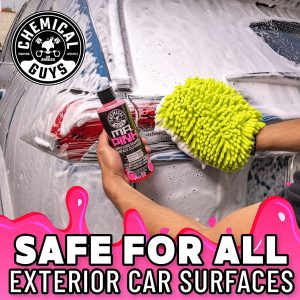
Buying a bottle of professional-grade car wash soap is only the first step. To achieve a professional-level finish and avoid damaging your vehicle, you must understand the techniques that allow the soap to perform at its peak. The process of washing a car is a delicate balance of chemical action and physical care.
Many people make the mistake of applying soap to a dry car or immediately scrubbing the paint. The most effective way to use car wash soap starts with a thorough rinse. By using water to remove the loose heavy debris first, you allow the soap to focus on the stubborn, bonded contaminants.
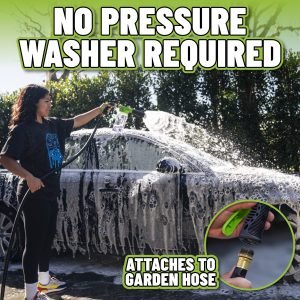
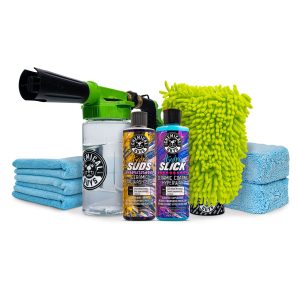
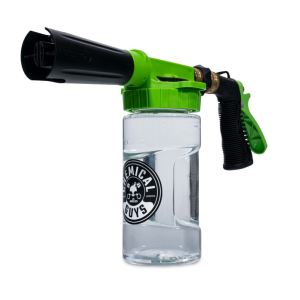
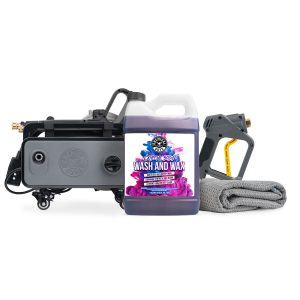
If you have access to a foam cannon or a foam gun, this is where the soap truly shines. Applying a thick layer of “snow foam” across the vehicle allows the surfactants to dwell on the surface. During this dwelling period, the soap works to soften bird droppings, tree sap, and road salt. The longer the soap stays in contact with the dirt (without drying), the easier it will be to remove safely.
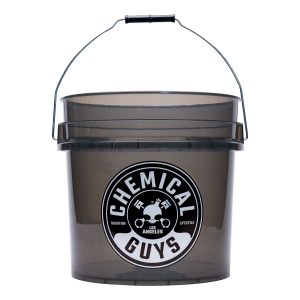
To get the most out of your car wash soap, professionals recommend the two-bucket method.
The Wash Bucket: Filled with water and your concentrated car wash soap.
The Rinse Bucket: Filled with plain water.
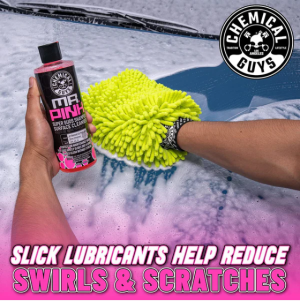
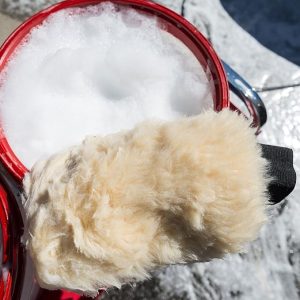
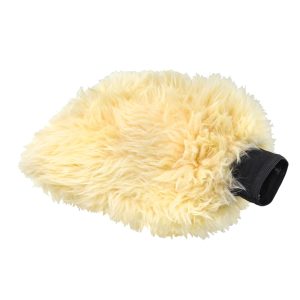
The logic is simple: you dip your mitt into the soapy water, wash a section of the car, and then rinse the dirty mitt in the plain water bucket before going back for more soap. This ensures that the dirt you just removed from the car doesn’t end up back in your clean soapy solution. This keeps the lubrication properties of the soap “pure” throughout the entire wash process.
When you begin to move the soapy mitt across the panels, the goal is light agitation, not scrubbing. High-quality car wash soaps are designed to do the heavy lifting for you. Use long, straight-line motions rather than circular movements. Circular motions are more likely to create visible swirl marks if a stray piece of grit gets trapped in the mitt.
Start from the top of the vehicle and work your way down. The lower sections of a car (the rocker panels and bumpers) are always the dirtiest. By starting at the roof, you ensure that the cleanest soap is used on the most visible panels, and you prevent dragging heavy bottom-level grime upward.
It is often best to treat the wheels as a separate project. Because wheels are covered in metallic brake dust and heavy road oils, they require a lot of soap and attention. Many enthusiasts use a slightly higher concentration of car wash soap in a dedicated wheel bucket to provide extra lubrication for brushes. Always wash the wheels before the rest of the body to prevent dirty water from splashing onto clean, dry paint.
Even the best car wash soap can struggle if used in direct sunlight on a hot surface. Heat causes the water and soap to evaporate rapidly, which can leave behind “soap scum” or streaks that are difficult to remove. Always try to wash the vehicle in the shade or during the cooler parts of the day. If the soap stays wet, it continues to encapsulate dirt. If it dries, it becomes a contaminant itself.
By mastering these techniques, you transform a simple wash into a professional detailing session. The soap is your primary tool—it provides the chemistry, the glide, and the finish—but your method is what ensures the safety and beauty of your vehicle’s exterior for years to come.